

1
/
of
7
RioRand
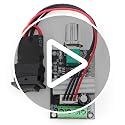
RioRand PWM DC Motor Speed Controller 6V-28V 3A - 1Pack
RioRand PWM DC Motor Speed Controller 6V-28V 3A - 1Pack
Regular price
$37.99 USD
Regular price
Sale price
$37.99 USD
Unit price
/
per
Tax included.
Shipping calculated at checkout.
Couldn't load pickup availability
About this item
- Smooth Out Motor Starts with PWM Control: Struggling with abrupt motor starts that impact your delicate builds? Our PWM technology delivers seamless, stepless speed adjustment for your low-voltage brushed DC motors. Whether you are dialing in the crawl speed for a custom RC crawler or fine-tuning a small cooling fan, you will enjoy precise, effortless control over your motor's performance.
- Complete Kit with Pre-Wired Reversible Switch: Tired of hunting for compatible parts or receiving incomplete kits? This speed regulator arrives fully equipped with a durable 3-position toggle switch (Forward/Stop/Reverse) attached via high-temp silicone wire. It is factory-tested and ready to install right out of the box, giving you instant directional control for model trains or automated setups.
- Optimized for Low-Power DC Applications: Avoid the frustration of burned-out circuits by matching your components correctly. Designed specifically for low-voltage applications (DC 6V-28V), this controller safely handles up to 3A of continuous current and 80W max power. It is a dependable solution for lightweight DIY electronic projects (Note: Not suitable for high-current 775 motors).
- Ultra-Compact Design for Tight Enclosures: Don't let bulky hardware dictate your project's design. Measuring just 32x50x15mm (1.25 x 1.96 x 0.59 in), this lightweight 30g module tucks easily into small 3D-printed cases, robotic chassis, or tight hobby compartments. You get efficient motor management without sacrificing valuable space in your custom builds.
- Critical Safety Reminders for Secure Operation: Protect your equipment with clear wiring rules. This controller is strictly for DC power sources—never connect it to 110V/220V AC household outlets, and always ensure correct positive/negative polarity before powering on. By following these guidelines, you can experiment confidently in your garage or student lab without causing permanent damage.
Share